Jean Guillou
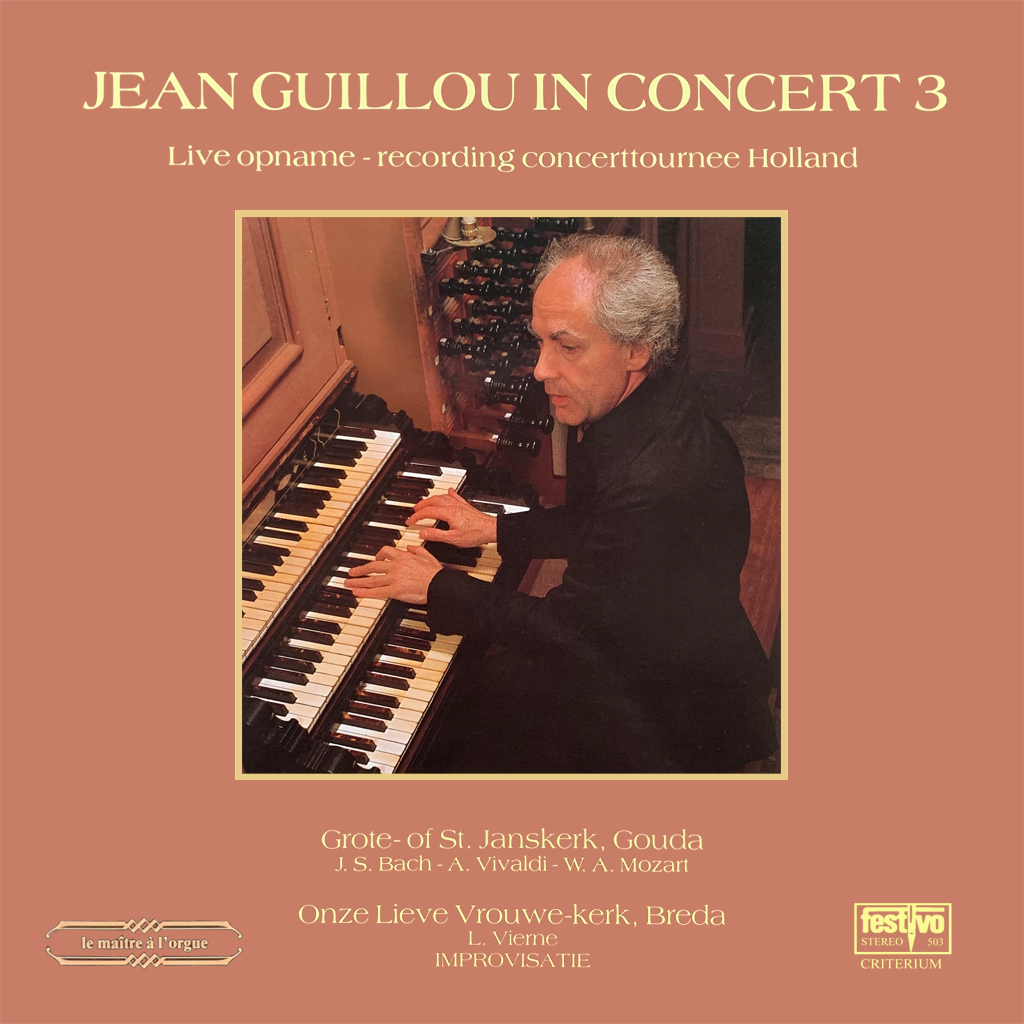
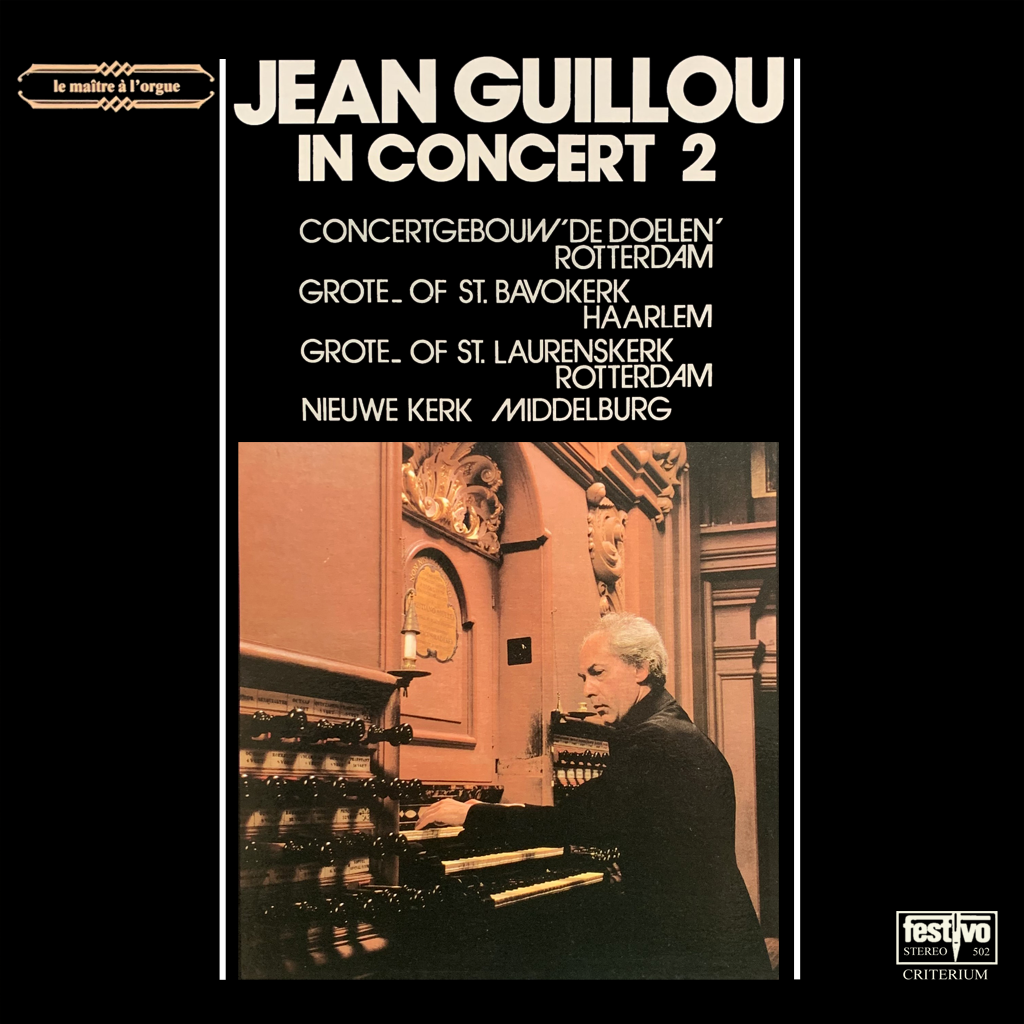
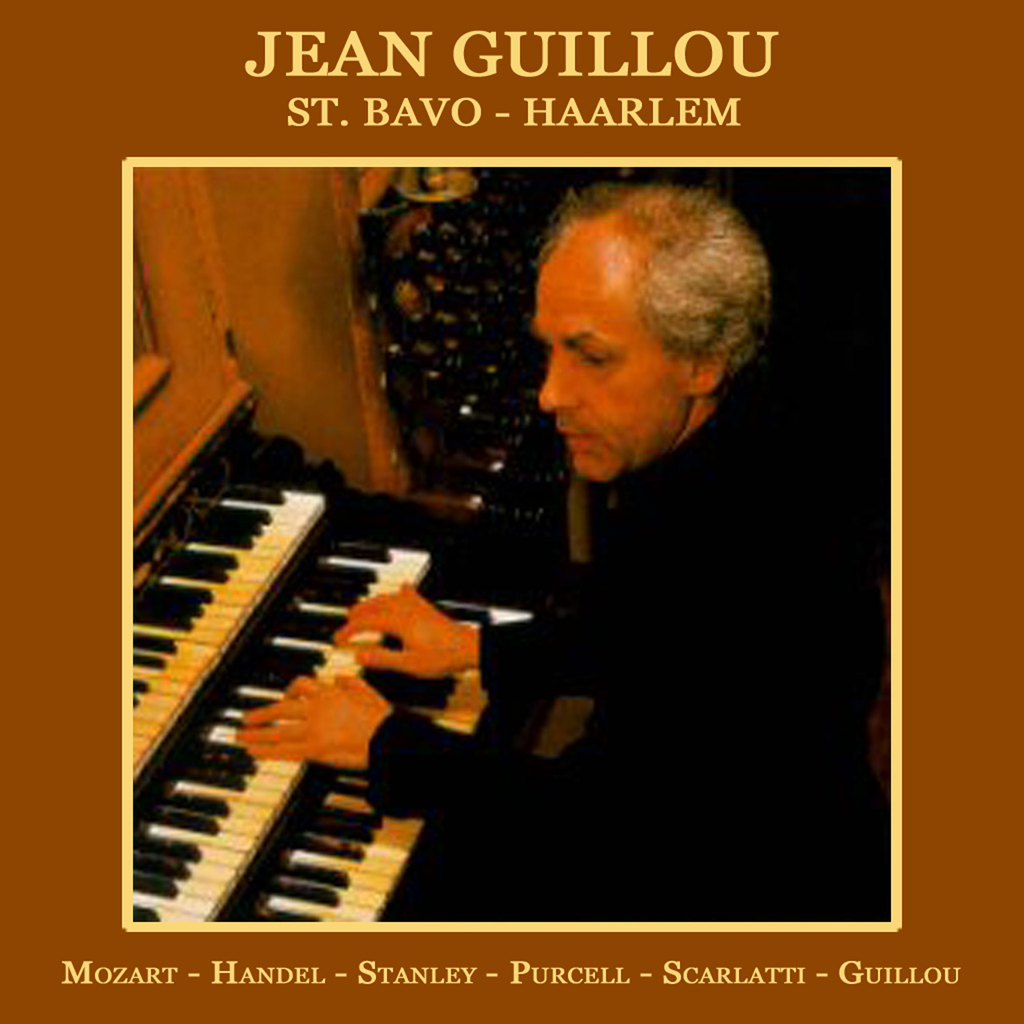
Jean Guillou was born at Angers on April 18th 1930. Already at the age of twelve he became titular of the organs of Saint Serge Cathedral at Angers.
He studied at the Paris Academy of Music, where Marcel Dupré was his teacher.
In 1955 he was appointed composition- and organ teacher at the Instituto di Musica Sacra at Lissabon - an activity which he combined with piano- and organ recitals.
Five years later he lived in Western-Berlin and he conquered Germany where he made his reputation as a composer of - amongst other things musical compositions, such as Sinfonietta, Fantaisie, Toccata and 18 variations for organ, and besides his first Colloques for chamber-orchestra.
During the Berlin Festival in 1966 - in the then newly built Philharmonic Concert Hall - his composition Pour le tombeau de Colbert was created in honour of St. Eustache and its great organ, of which he was appointed organist since 1963.
From that date he settled in France and he continued his activities as composer, performer and teacher.
We only make a selection when we mention his more recent works, such as the Judith-symphony (monodrama for mezzo-soprano and orchestra), the Symphony Initiatique (for three organs), his 3 concerto's for organ and orchestra, the second of which was created for the Leningrad Philharmonic Orchestra, his 3 symphonies, his Concerto for piano and orchestra, and the Scènes d'Enfants for organ.
He gave interpretation courses at the "Meister Kursus" at Zürich, while he is invited by the USA, Japan, Hong Kong, Europa and Russia for piano- and organ recitals which nearly always are wound up by improvisations on certain themes, or in the tradition of former composers he gives free reign to his creative inspiration power.
He studied at the Paris Academy of Music, where Marcel Dupré was his teacher.
In 1955 he was appointed composition- and organ teacher at the Instituto di Musica Sacra at Lissabon - an activity which he combined with piano- and organ recitals.
Five years later he lived in Western-Berlin and he conquered Germany where he made his reputation as a composer of - amongst other things musical compositions, such as Sinfonietta, Fantaisie, Toccata and 18 variations for organ, and besides his first Colloques for chamber-orchestra.
During the Berlin Festival in 1966 - in the then newly built Philharmonic Concert Hall - his composition Pour le tombeau de Colbert was created in honour of St. Eustache and its great organ, of which he was appointed organist since 1963.
From that date he settled in France and he continued his activities as composer, performer and teacher.
We only make a selection when we mention his more recent works, such as the Judith-symphony (monodrama for mezzo-soprano and orchestra), the Symphony Initiatique (for three organs), his 3 concerto's for organ and orchestra, the second of which was created for the Leningrad Philharmonic Orchestra, his 3 symphonies, his Concerto for piano and orchestra, and the Scènes d'Enfants for organ.
He gave interpretation courses at the "Meister Kursus" at Zürich, while he is invited by the USA, Japan, Hong Kong, Europa and Russia for piano- and organ recitals which nearly always are wound up by improvisations on certain themes, or in the tradition of former composers he gives free reign to his creative inspiration power.


Händel, Stanley, Mozart, Purcell