Charles-Marie Widor
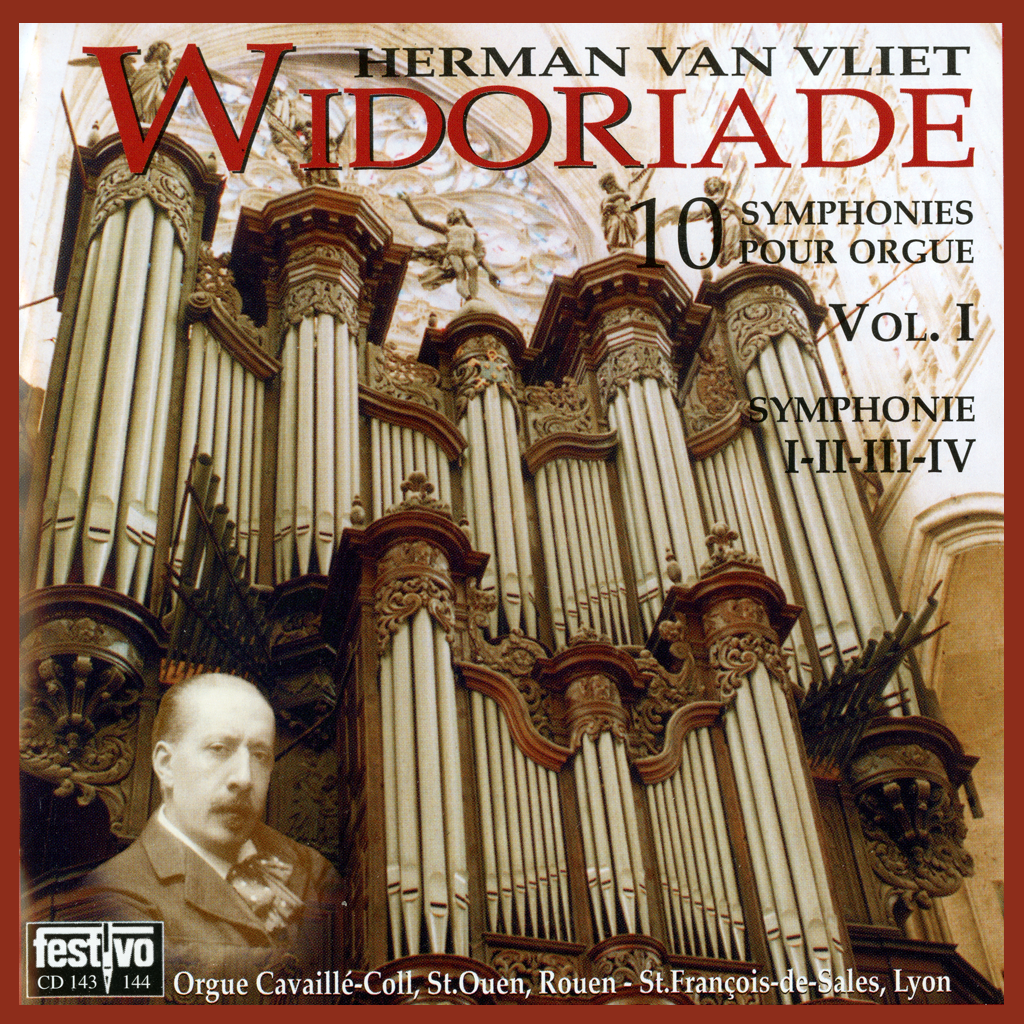
Charles-Marie Jean Albert Widor was born in Lyon on 21 February 1844. His father was the organist of the Eglise St. François de Sales in Lyon.
His father's family was of Hungarian origin and Charles-Marie's grandfather possessed an organ building company in the Alsace. The family tree on his mother's side includes several well-known French engineers.
Like his brother Paul, who would also become an organist, Charles-Marie received his first organ lessons from his father.
At the age of twelve, he experienced the great moment of performing as an organist during a church service for the first time. Naturally, in his case it meant replacing his father at the instrument in the Eglise St. François de Sales.
When the organ builder, the famous Aristide Cavaillé-Coll (1811-1899) heard the boy play, he took him immediately with him to Brussels in order to meet Jacques-Nicolas Lemmens (1823-1881). From Lemmens, Widor received the best training imaginable in the fields of playing-technique and church music. He studied together with Alexandre Guilmant (1837-1911), who had also come to study with the founder of romantic organ playing. Next to organ lessons from Lemmens, Widor received lessons in composition from Fétis (1784-1871), a teacher of music theory and history in Brussels.
On 31 December, 1869 Louis James Alfred Lefébure-Wely (1817-1869) died.
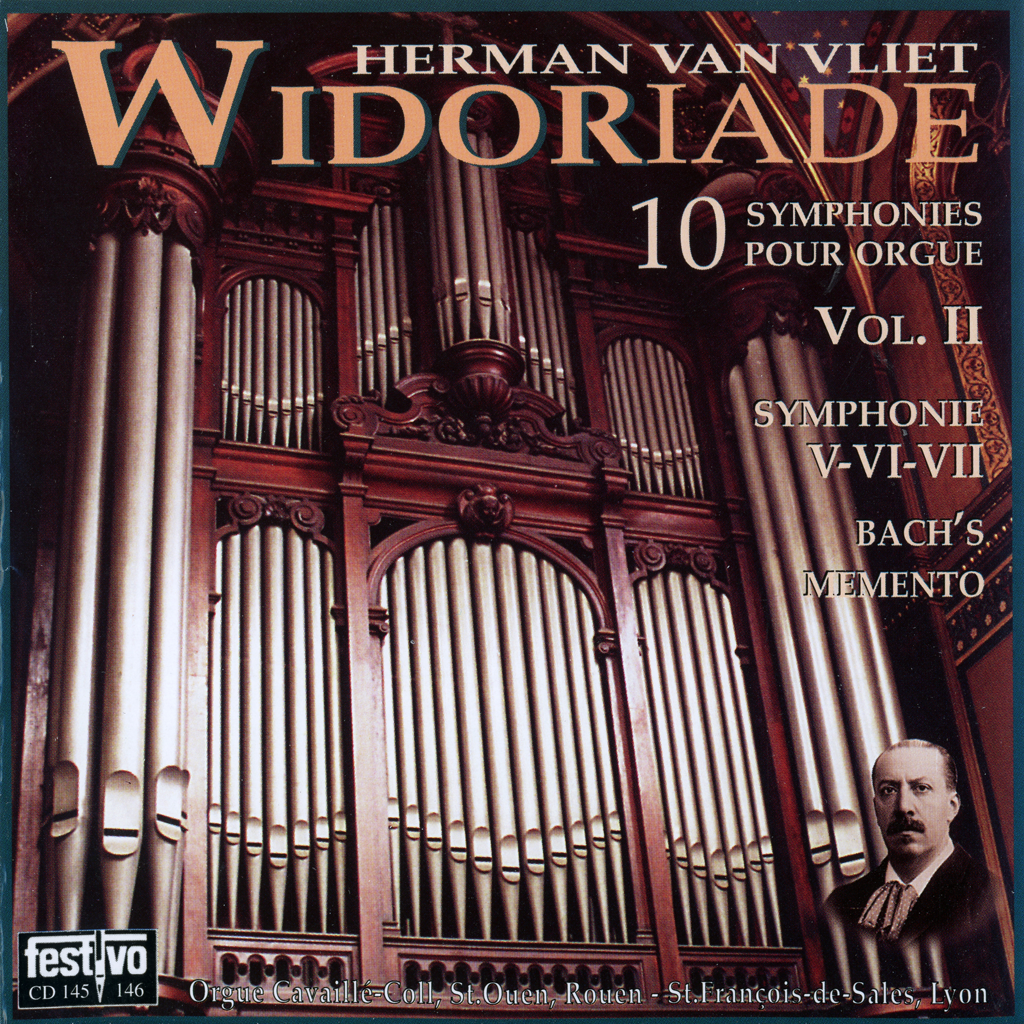
He had been the organist of the monumental Cavaillé-Coll organ of the Eglise St. Sulpice in Paris from 1863. This organ counts 100 stops and has 5 manuals and a pedal. Cavaillé-Coll immediately contacted the parish priest, for in his opinion, Widor should be the only candidate considered for this beautiful instrument. However, this resulted in a protest from the Parisian organists, who felt passed over.
The priest soon found a suitable solution by appointing Widor as a temporary organist of the Eglise St. Sulpice for one year, starting 1 January 1870. Widor was allowed to serve as a temporary organist in this church for no less than 64 years.
Among Widor's early compositions are a piano quintet, two motets on the text O Salutaris for voice, violin and organ, a serenade for flute, cello, harmonium and piano, ten symphonies for organ, one for orchestra, two motets on the texts Tantum ergo and Regina coeli for two choirs and organ, a piano trio, pieces for cello and piano, Psalm 83 for choir, two organs and string orchestra, Surrexit a mortuis for choir and two organs, Ave Maria for voice and organ, choruses, a sonata for cello and piano, a piano concerto, a cello concerto and the much admired La Korrigane.
Widor's style is representative of French Romanticism. It is rooted in Cherubini, Berlioz and Liszt.
Moreover, his organ works reveal the influence of Lemmens. The composer mastered the writing technique for literally all musical forms. His orchestral music excels in its exquisitely sounding orchestration.
As a typical representative of the classicistic romanticism, he was, as it were, predestined to compose organ works. In his preface to the first organ publication from his hand he wrote: "the modern organ is essentially symphonic of character; for the new instrument a new sound language is needed, another ideal than that of polyphony." By this statement Widor proved that he had clearly understood the situation of the organ as it existed at that time in France since the building of the Cavaillé-Coll organ in the basilica of St. Denis in 1834.
(Harry Mayer)
His father's family was of Hungarian origin and Charles-Marie's grandfather possessed an organ building company in the Alsace. The family tree on his mother's side includes several well-known French engineers.
Like his brother Paul, who would also become an organist, Charles-Marie received his first organ lessons from his father.
At the age of twelve, he experienced the great moment of performing as an organist during a church service for the first time. Naturally, in his case it meant replacing his father at the instrument in the Eglise St. François de Sales.
When the organ builder, the famous Aristide Cavaillé-Coll (1811-1899) heard the boy play, he took him immediately with him to Brussels in order to meet Jacques-Nicolas Lemmens (1823-1881). From Lemmens, Widor received the best training imaginable in the fields of playing-technique and church music. He studied together with Alexandre Guilmant (1837-1911), who had also come to study with the founder of romantic organ playing. Next to organ lessons from Lemmens, Widor received lessons in composition from Fétis (1784-1871), a teacher of music theory and history in Brussels.
On 31 December, 1869 Louis James Alfred Lefébure-Wely (1817-1869) died.
He had been the organist of the monumental Cavaillé-Coll organ of the Eglise St. Sulpice in Paris from 1863. This organ counts 100 stops and has 5 manuals and a pedal. Cavaillé-Coll immediately contacted the parish priest, for in his opinion, Widor should be the only candidate considered for this beautiful instrument. However, this resulted in a protest from the Parisian organists, who felt passed over.
The priest soon found a suitable solution by appointing Widor as a temporary organist of the Eglise St. Sulpice for one year, starting 1 January 1870. Widor was allowed to serve as a temporary organist in this church for no less than 64 years.
Among Widor's early compositions are a piano quintet, two motets on the text O Salutaris for voice, violin and organ, a serenade for flute, cello, harmonium and piano, ten symphonies for organ, one for orchestra, two motets on the texts Tantum ergo and Regina coeli for two choirs and organ, a piano trio, pieces for cello and piano, Psalm 83 for choir, two organs and string orchestra, Surrexit a mortuis for choir and two organs, Ave Maria for voice and organ, choruses, a sonata for cello and piano, a piano concerto, a cello concerto and the much admired La Korrigane.
Widor's style is representative of French Romanticism. It is rooted in Cherubini, Berlioz and Liszt.
Moreover, his organ works reveal the influence of Lemmens. The composer mastered the writing technique for literally all musical forms. His orchestral music excels in its exquisitely sounding orchestration.
As a typical representative of the classicistic romanticism, he was, as it were, predestined to compose organ works. In his preface to the first organ publication from his hand he wrote: "the modern organ is essentially symphonic of character; for the new instrument a new sound language is needed, another ideal than that of polyphony." By this statement Widor proved that he had clearly understood the situation of the organ as it existed at that time in France since the building of the Cavaillé-Coll organ in the basilica of St. Denis in 1834.
(Harry Mayer)


Collection II
At the Top
Klankkleuren - in concert IV
Gouden Jubileum